In December 2008, I was a junior in
college, and I had my life figured out—I was going to be a
professor of English. With ease I had attained the highest grade in
the reputed most difficult English class in the school. Recently I
had been inducted into the literary honors society with a paper
acclaimed as “brilliant” by the student monarch of the the
English department, and seemed to be in line to be his successor. I
had presented at a conference and one of the keynote speakers had
praised my paper, saying that it had helped him understand the work
better than ever.
Five months later, I hated literature.
My semester had been mostly spent on a 40-page paper dedicated to the
mystical context of the Faerie Queene.
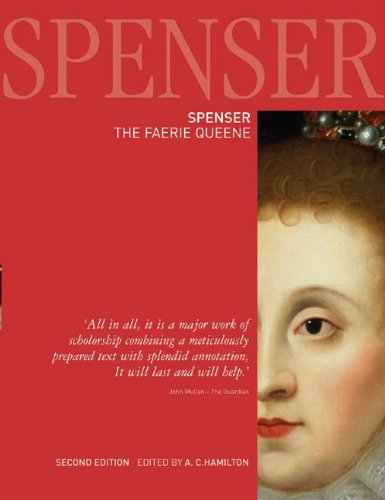
It still makes me shudder
Every spare moment was spent on it and
several all-nighters, but the final product was a hodgepodge of
obscure quotations scantily clad with misfitting transitions, all
stumbling into a baffling conclusion. I got a B+. The professors who
were supposed to be guiding me were unable to discuss it, which I can
only suppose is the reason for the high grade. So I wondered—is
this all literature is? Discussing questions that no one cares about
in ways that no one understands? So it seemed to me. After this
experience I stopped taking extra literature classes and even stopped
pleasure reading for a year. My unsuccessful application to graduate
schools was half-hearted and more for the sake of reputation than out
of real desire.
People often see the study of
literature as an esoteric discipline of “find the magic symbol”,
or worse, as a hoax in which the over-educated pontificate and
extrapolate on abstractions. Through this experience, I understand
their viewpoint. As a teacher of literature, it will be my constant
struggle to fight against this mindset. I must show my students that
literature concerns their lives, it speaks to their difficulties, and
it shows them new ways to understand the world.

To your final point: Yes! In other words, that is our task, isn't it? And what a great question - "Is this all literature is?" The answer has to be NO. But for many of our students, the answer, unfortunately, is YES. Thus, our task. I think your final comment begins to get at how we might do this . . . consider student/audience point of view.
ReplyDeleteI too have tried very hard at a paper and thought that I have nailed it only to come up short. I think you are right, that sometimes one book or assignment can change the way that we look at literature. You may hate all things about the time period now when you maybe didn't before you started writing the dead paper. Don't let this get you down you got to keep pushing to reach your goals.
ReplyDelete